
What makes a CPAP mask “the best” for someone?
The best mask is the one they can wear all night with minimal leaks and minimal irritation. Comfort, seal quality, and stable fit matter more than brand names or price.
A mask can score perfectly in reviews and still fail if it presses on the wrong spot, shifts during side sleeping, or causes dryness. The goal is a consistent seal at the lowest strap tension possible.
Which CPAP mask type should they start with?
Most people do best by choosing based on how they breathe during sleep and how sensitive they are to facial contact. More options are available here: https://store.airliquidehealthcare.com.au/collections/cpap-masks. The three main styles are nasal pillow, nasal, and full face.
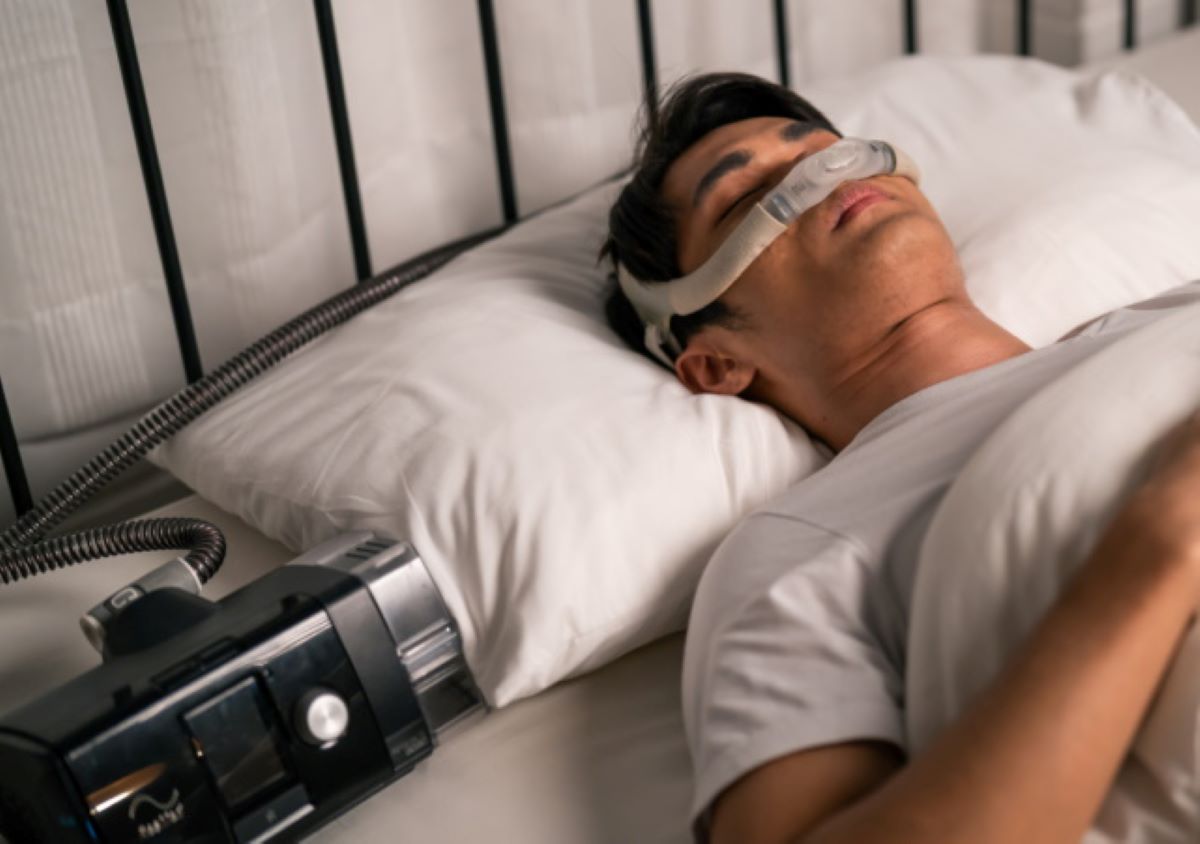
Nasal pillow masks sit at the nostrils and feel the least bulky.
Nasal masks cover the nose and often feel more stable than pillows.
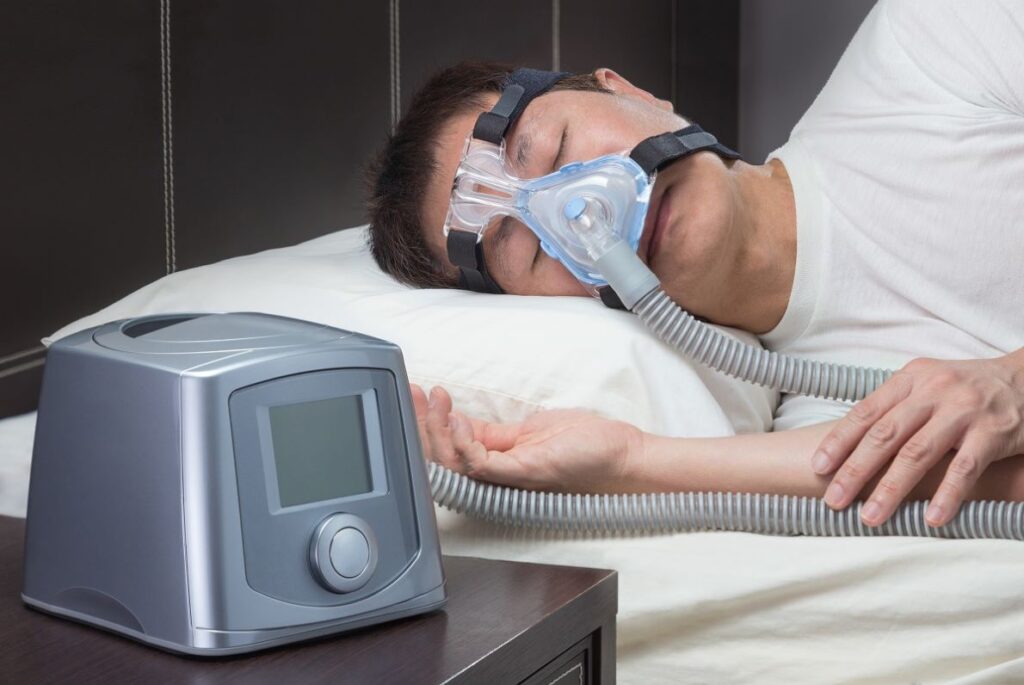
Full face masks cover the nose and mouth and help when mouth breathing is common.
Do they need a full face mask if they breathe through their mouth?
Not always, but it is often the simplest fix. Full face masks handle mouth breathing without requiring extra accessories.
If they prefer a smaller mask, they can try a nasal or nasal pillow mask with strategies to reduce mouth leaks, such as addressing congestion or using a chin strap, if appropriate for them. If leaks persist or dry mouth is constant, a full face option usually becomes the most practical choice.
How should they choose between nasal pillows and a nasal mask?
They should pick nasal pillows if they want minimal contact and sleep relatively still. They should pick a nasal mask if they want a more “anchored” feel with a larger sealing surface.
Nasal pillows can be excellent for people who feel claustrophobic, wear glasses, or read in bed. Nasal masks can be better for higher pressures or for sleepers who find pillows irritate the nostrils.
How much does sleeping position affect the choice?
It affects it a lot because side and stomach sleeping can push the mask out of place. The best choice is the one that stays sealed when the face is in the pillow.
Side sleepers often do well with nasal pillows or compact nasal masks. Full face masks can still work, but they usually need a design that reduces pressure points and supports the seal when the jaw relaxes.
What signs tell them the fit is wrong?
They should watch for consistent leaks, soreness, skin marks that last into the morning, or a need to overtighten straps. A good fit feels secure without feeling cinched down.
Common red flags include air blowing into the eyes, noisy fluttering, nasal pain from pillows that are too large, or a mask that rides up when they change positions. If the mask only seals when straps are very tight, the size or style is likely wrong.
How should they handle leaks without overtightening?
They should start with cushion sizing, then headgear adjustment, then maintenance. Overtightening often worsens leaks by deforming the cushion.
Helpful steps include reseating the mask while the machine is running, loosening then re-tightening evenly, and ensuring the cushion sits on the skin rather than hair or a folded liner. Replacing worn cushions matters because silicone softens and warps over time.
How do they choose the right size at home?
They should use the manufacturer’s sizing guide whenever possible. Mask sizing is not universal, so “medium” in one model can fit like “small” in another.
If they are between sizes, they should choose the size that seals with less strap tension. If they cannot get a stable seal across positions, switching mask style is usually more effective than guessing sizes.
What comfort features actually matter?
They should prioritize the features that reduce pressure, noise, and skin irritation in their specific routine. The best comfort features are the ones they notice at 2 a.m.
Key features to look for include soft, flexible cushions, a quiet vent design, a stable frame that does not press on the nose bridge, and headgear that spreads pressure across the head. Quick-release clips also help anyone who gets up at night. Read more about Skin conditions.
How should they avoid skin irritation and pressure sores?
They should aim for the lightest seal that holds and keep the contact points clean. Skin problems are often caused by excess strap tension, moisture, or friction.
Washing the cushion regularly, ensuring the face is dry before wearing the mask, and adjusting fit to avoid hotspots usually solves most issues. If the nose bridge gets sore, a different style or a mask that avoids that area may be the better long-term answer.
When should they switch masks instead of “trying harder”?
They should switch if they cannot get a reliable seal after reasonable adjustment, or if comfort issues disrupt sleep. A mask should support therapy, not become the nightly focus.
If they keep waking to fix leaks, cannot sleep in their preferred position, or feel anxious wearing the mask, a different style is often the fastest improvement. Many people need a second mask style for colds, allergies, or travel, and that is normal.
What is the simplest way to pick the right mask quickly?
They should match the mask to breathing route, sleeping position, and tolerance for facial coverage. Then they should confirm seal quality at their prescribed pressure.
A practical shortcut is:
- If they breathe through their nose and want minimal bulk: nasal pillows
- If they breathe through their nose and want stability: nasal mask
- If they mouth breathe often or have persistent dry mouth: full face mask
The best CPAP mask is the one they can forget they are wearing, because that usually means it fits.
More to Read : Portable Oxygen Machine Australia: What Are Your Options?