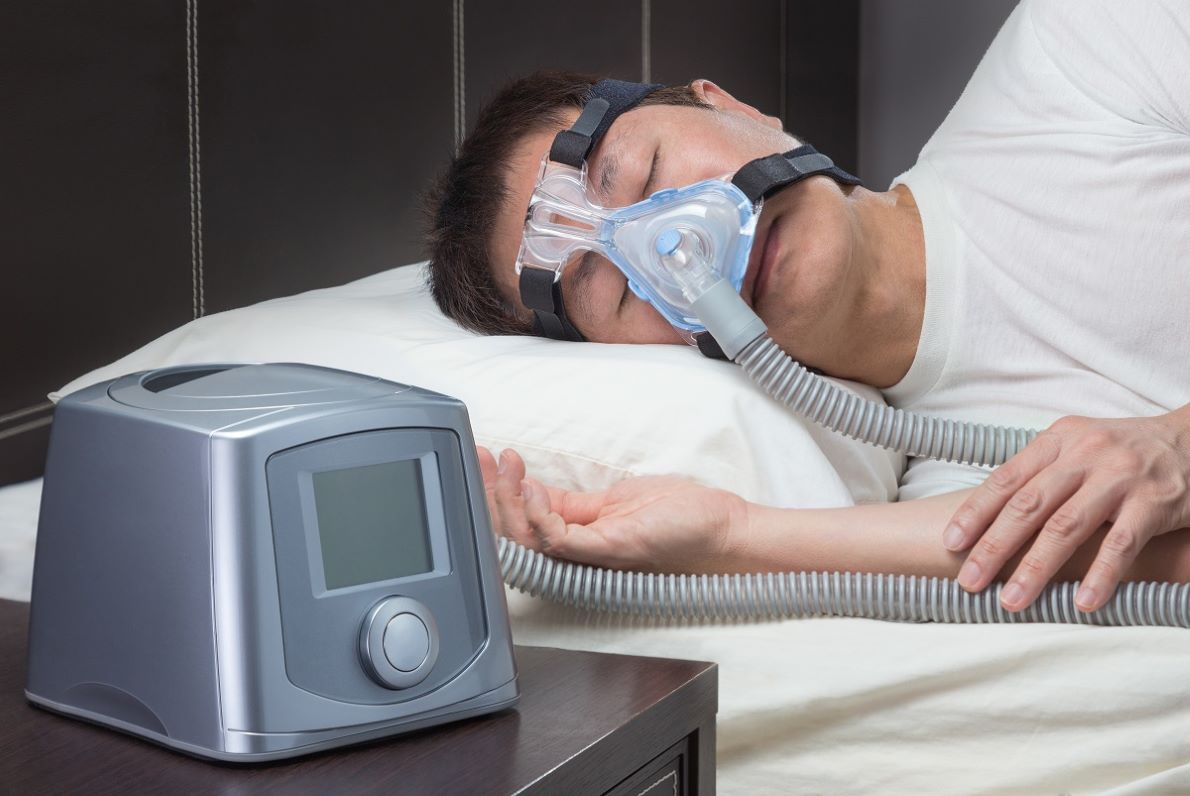

What Is a Home Sleep Study and Who Needs One?
A home sleep study is a diagnostic test that monitors your sleep patterns and physiological functions while you rest in your own bed. This convenient alternative to in-clinic sleep testing allows patients in Sydney to undergo comprehensive sleep disorder screening without spending a night in a medical facility.
The test uses portable monitoring equipment fitted with multiple sensors that track various bodily functions throughout the night. These devices record essential data that helps sleep specialists identify disruptions in your sleep cycle and diagnose underlying conditions.Sleep test Sydney services help detect a variety of sleep-related conditions, including:
- Sleep apnea (obstructive, central, and mixed types)
- Narcolepsy
- Restless leg syndrome
- Other breathing-related sleep disorders
Your doctor may recommend a sleep test Sydney at home if you experience persistent symptoms such as loud snoring, gasping or choking during sleep, excessive daytime sleepiness, morning headaches, or difficulty concentrating. Patients with suspected moderate to severe obstructive sleep apnea are particularly suitable for home-based testing.
However, those with complex medical conditions, suspected central sleep apnea, or other neurological disorders may require in-laboratory polysomnography. Your sleep specialist will determine the most appropriate testing method based on your symptoms, medical history, and the complexity of the suspected sleep disorder.
How Is an At-Home Sleep Study Conducted?
The at-home sleep test procedure begins with a clinic appointment where a trained technician fits you with portable sleep monitoring equipment. This compact device connects to multiple sensors designed to track various physiological signals throughout the night. Unlike bulky hospital equipment, these modern units are lightweight and designed for comfortable home use.
Sensor placement follows a specific pattern across your body:
- Scalp: Electrodes capture brain wave activity
- Face: Sensors near the nose and mouth measure airflow and breathing patterns
- Chest and abdomen: Elastic belts detect respiratory movements
- Fingers: A pulse oximeter clips on to monitor blood oxygen saturation
- Legs: Sensors track involuntary limb movements
The technician ensures each sensor adheres properly and tests the connections before you leave. The device comes pre-programmed to activate during typical sleep hours, usually from evening until morning. Once you’re in bed, the equipment automatically begins recording physiological data without requiring any input from you.
The sensors transmit continuous information to the recording unit throughout the night. This data capture occurs seamlessly while you sleep in your own bed, maintaining your natural sleep environment. The device stores all measurements on internal memory for later analysis by sleep specialists.
What Physiological Functions Are Monitored During the Test?
The home sleep study tracks multiple body systems simultaneously to create a comprehensive picture of your sleep patterns. The physiological monitoring in sleep study captures eight distinct measurements throughout the night.
1. Respiratory Measurements
These include:
- Airflow measurement through nasal and oral sensors
- Chest and abdominal movements via elastic belts
- Body position tracking
The sensors used in these measurements can detect breathing pauses, shallow breathing, and whether you sleep on your back or side.
2. Cardiac and Neurological Monitoring
This involves:
- ECG (Electrocardiogram): Records heart rate and rhythm to identify irregular patterns
- EEG (Electroencephalogram): Measures brain waves to determine sleep stages
- EMG (Electromyogram): Tracks muscle tone in the chin and legs
- EOG (Electrooculogram): Monitors eye movements to identify REM sleep
3. Oxygen and Sound Detection
These assessments include:
- A pulse oximeter on your finger measures blood oxygen saturation levels, revealing how breathing disruptions affect oxygen supply
- Microphones capture snoring sounds and their intensity, which helps identify airway obstructions
4. Leg Movement Sensors
These sensors detect periodic limb movements that may indicate restless leg syndrome or other movement disorders.
Each parameter provides specific diagnostic information, allowing specialists to identify patterns consistent with sleep apnea, narcolepsy, or other conditions affecting sleep quality.
What Should Patients Expect During the At-Home Sleep Study?
The home sleep study process is completely non-invasive and pain-free, requiring no needles, medications, or uncomfortable procedures. Patients simply wear the monitoring device while sleeping in their own bed, making the experience far less stressful than an overnight clinic stay.
Some individuals may notice minor skin irritation from the adhesive sensors, particularly those with sensitive skin. The sensors attach to various body areas and occasionally cause slight redness or itching, though these effects typically resolve within hours of removing the equipment.
Pre-Test Preparation Guidelines
Proper preparation enhances the accuracy of your home sleep study results:
- Avoid caffeine for at least 6 hours before bedtime. You can find helpful tips on how to cut back on caffeine here.
- Skip afternoon naps on the testing day
- Eliminate alcohol consumption in the evening
- Shower before bed to ensure clean skin for sensor adhesion
- Remove nail polish from at least one finger for accurate oxygen readings – this is especially important if you’re pregnant as some nail treatments may not be safe during this period. More information on this can be found here.
The testing night should mirror your typical routine as closely as possible. Go to bed at your usual time, wear comfortable sleepwear, and maintain your regular bedroom environment. This consistency helps specialists capture authentic sleep patterns rather than data influenced by unusual circumstances. The device automatically records throughout your normal sleep hours without requiring any interaction once properly fitted.
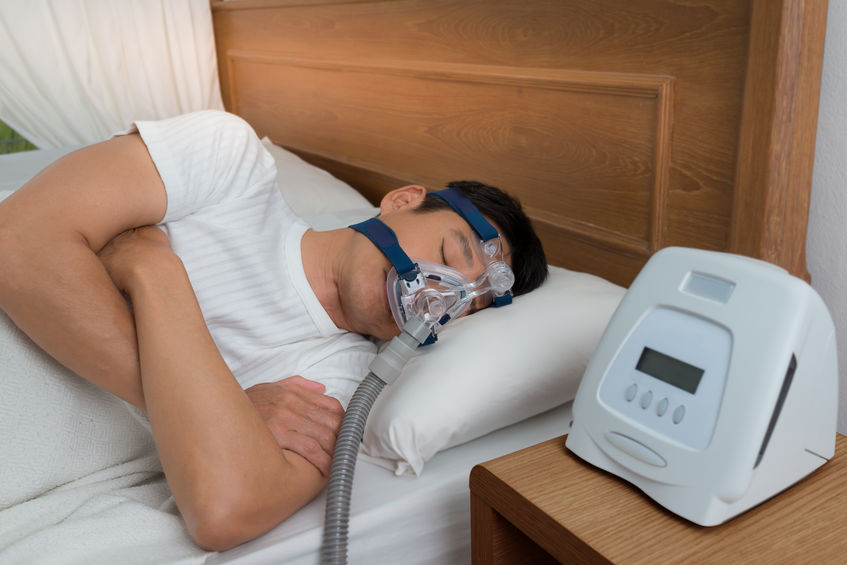
How Is the Data Collected and Analyzed After the Test?
What happens to the device after your sleep study night?
Once you wake up, you’ll remove the sensors and pack the recording device according to the clinic’s instructions. Most Sydney sleep clinics provide a prepaid return envelope or arrange courier pickup within 24-48 hours. The device contains all your overnight physiological recordings stored digitally for specialist review.
How do specialists interpret sleep data?
Sleep physicians and trained technologists examine the recorded information using specialized software that displays your sleep patterns as graphs and waveforms. They review each monitored parameter—brain activity, breathing patterns, oxygen levels, heart rhythm, and body movements—looking for abnormalities that occur throughout the night.
The analysis focuses on identifying specific markers:
- Apnea-hypopnea index (AHI): Counts breathing interruptions per hour
- Oxygen desaturation events: Drops in blood oxygen levels below normal ranges
- Respiratory effort patterns: Distinguishes obstructive sleep apnea (blocked airway with continued breathing effort) from central sleep apnea (brain fails to signal breathing muscles)
- Sleep fragmentation: Frequent awakenings or arousals disrupting restorative sleep
This comprehensive data collection in home sleep study generates a detailed report documenting the severity and type of any sleep-disordered breathing detected during your test night.
Why Is Diagnosing Sleep Disorders Important?
The importance of diagnosing sleep disorders extends far beyond getting a better night’s rest. Undiagnosed and untreated sleep conditions create a cascade of health complications that affect every aspect of daily life.
Health Risks of Untreated Sleep Apnea
Health risks untreated sleep apnea poses include significant cardiovascular dangers. Repeated breathing interruptions during sleep force the heart to work harder, leading to:
- High blood pressure that persists even during waking hours
- Increased likelihood of heart disease and irregular heart rhythms
- Elevated stroke risk due to reduced oxygen supply to the brain
- Higher probability of developing type 2 diabetes from metabolic disruption
Cognitive and Functional Impacts
The cognitive and functional impacts prove equally concerning. Chronic sleep deprivation from untreated disorders results in persistent daytime fatigue that makes concentration nearly impossible. Many patients struggle with memory problems, reduced reaction times, and impaired decision-making abilities that affect work performance and personal relationships.
Deteriorating Mental Health
Mental health deteriorates alongside physical wellbeing. Sleep disorders contribute to anxiety, depression, and mood instability. The constant exhaustion creates a cycle where poor sleep worsens mental health, which then further disrupts sleep patterns.
Declining Quality of Life
Quality of life suffers dramatically when sleep disorders remain unaddressed. Simple daily tasks become challenging, professional productivity declines, and the risk of accidents—particularly while driving—increases substantially. Early diagnosis through home sleep studies provides the foundation for effective treatment and prevents these serious complications.
What Happens After the Home Sleep Study Results Are Available?
Will I meet with a specialist to review my results?
Yes, a post-sleep study consultation is scheduled within 1-2 weeks after returning your device. During this appointment, your doctor or sleep specialist reviews the recorded data and explains what the findings mean for your health.
How are the results explained?
Your specialist interprets the physiological measurements collected throughout the night, identifying any abnormal breathing patterns, oxygen desaturation events, or disrupted sleep architecture. They’ll confirm whether you have a sleep disorder and, if so, specify the type and severity. The data reveals details such as:
- Number of apnea or hypopnea events per hour (AHI score)
- Oxygen saturation levels during sleep
- Sleep position effects on breathing
- Presence of periodic limb movements
What comes next in treatment planning after diagnosis?
Based on your specific diagnosis, your specialist discusses appropriate treatment options. For sleep apnea, this might include CPAP therapy, oral appliances, positional therapy, or lifestyle modifications. The consultation covers expected outcomes, equipment requirements, and follow-up protocols to ensure effective management of your condition. Your specialist creates a personalized treatment plan addressing your unique symptoms and health needs, ensuring you understand each step toward better sleep quality.
More to Read : Home Sleep Study Perth: 7 Things You Should Know Before Booking