
What Is a Home Sleep Study and How Does It Work?
A home sleep study is a diagnostic test that monitors your breathing and sleep patterns in your own bed to detect sleep disorders like Obstructive Sleep Apnoea (OSA). This convenient alternative to hospital-based testing allows you to undergo assessment in familiar surroundings while providing clinically valuable data.
The home sleep study process involves wearing portable monitoring equipment overnight that tracks critical respiratory parameters. Unlike traditional in-lab tests requiring hospital stays, this approach lets you maintain your normal bedtime routine while sophisticated sensors collect essential health information.
The Portable Monitoring Equipment
The devices used in a home sleep study Perth typically include:
- Nasal cannula or airflow sensors that detect breathing patterns and identify pauses or reductions in airflow
- Pulse oximeter attached to your finger to measure blood oxygen saturation levels throughout the night
- Chest and abdominal bands that monitor respiratory effort and detect breathing irregularities
- Small recording unit that stores all collected data for later analysis
These lightweight, non-invasive devices are designed for comfort during sleep. Most patients adapt quickly to wearing the equipment, allowing for natural sleep patterns that produce accurate diagnostic results.
Data Collection and Analysis
Throughout your overnight sleep test, the equipment continuously records multiple data streams including oxygen levels, breathing rate, airflow patterns, and respiratory effort. This information creates a comprehensive picture of your sleep-related breathing.
After you return the equipment, qualified sleep scientists and physicians review the recorded data. They analyze breathing disruptions, oxygen desaturation events, and other respiratory parameters to identify sleep disorders. The analysis typically takes several days, after which you receive a detailed report with diagnosis and treatment recommendations tailored to your specific condition.
This streamlined approach makes sleep disorder diagnosis more accessible without compromising diagnostic accuracy for appropriate candidates.
Who Is Eligible for a Home Sleep Study in Perth?
Are you experiencing persistent sleep problems that might warrant testing? Home sleep studies in Perth are primarily designed for adult patients aged 18 and over who display specific symptoms of Obstructive Sleep Apnoea (OSA).
The eligibility criteria home sleep study providers look for include several telltale signs. Loud, chronic snoring that disrupts your partner’s sleep often serves as the first red flag. Excessive daytime fatigue despite seemingly adequate sleep hours indicates your body isn’t getting proper rest. Other qualifying symptoms of OSA include:
- Witnessed breathing pauses during sleep, often accompanied by gasping or choking sounds
- Waking up feeling unrefreshed, regardless of sleep duration
- Difficulty concentrating or staying awake during daytime activities
- Restless, fragmented sleep patterns throughout the night
Do you need a doctor’s referral? Most Perth providers require either a referral from a sleep physician or completion of a risk assessment questionnaire demonstrating high probability of OSA. This screening process ensures home sleep studies are appropriate for your specific situation.
Patients with complex medical conditions, suspected central sleep apnoea, or those requiring more comprehensive monitoring may not meet the eligibility criteria home sleep study protocols demand. Your healthcare provider will determine whether home-based testing suits your circumstances or if in-lab polysomnography would better serve your diagnostic needs.
Which Providers Offer Home Sleep Studies in Perth?
There are several reputable providers that offer home sleep study services in Perth. Each of these providers has its own referral processes and booking systems.
1. Sleep Solutions Australia
Sleep Solutions Australia is one of the main providers of home sleep studies in Perth. Here’s how their process works:
- Patients need to get a referral from their GP or sleep physician.
- Once the referral is obtained, patients can schedule an appointment with Sleep Solutions Australia.
- The provider will deliver the necessary equipment to the patient’s home and pick it up after the study.
- Qualified sleep scientists will review the results and provide a report.
2. Pharmacy 777
Pharmacy 777 offers convenient home sleep testing through their network of locations in Perth. Here’s how patients can access this service:
- Patients can visit participating pharmacies for direct consultations.
- During these consultations, pharmacy staff will assess the patient’s eligibility for a home sleep study.
- If eligible, the staff will coordinate the distribution of equipment needed for the study.
This provider often offers bulk-billing options for eligible patients, which can help reduce out-of-pocket expenses.
3. Sleep WA
Sleep WA specializes in providing sleep diagnostic services overseen by experienced respiratory and sleep medicine physicians. Here’s how their referral process typically works:
- Patients may require an initial assessment to determine whether they are suitable for home testing or if an in-lab study is more appropriate.
- After receiving the necessary medical referrals, appointments can be booked through their clinic.
Most providers require patients to fill out a preliminary questionnaire that assesses their sleep symptoms and medical history.
Booking Process
The general booking process for home sleep studies involves the following steps:
- Obtain a referral from your GP or sleep specialist.
- Contact the provider to schedule equipment collection.
- Attend a brief appointment where you will receive instructions on how to fit the device.
- Arrange for the return of the equipment after completing the overnight study.
Flexible Appointment Times
Many providers in Perth understand that people have work commitments and may not be able to attend appointments during regular business hours. To accommodate this, they offer flexible appointment times, including evenings and weekends, for both equipment collection and fitting appointments.

What Are the Limitations of Home Sleep Studies Compared to In-Lab Tests?
Home sleep studies focus exclusively on respiratory parameters, while in-lab polysomnography captures a comprehensive picture of your sleep architecture. The portable devices used at home measure breathing patterns, oxygen saturation, and airflow, but they don’t record brain activity (EEG), eye movements (EOG), or detailed cardiac rhythms (ECG)—measurements that reveal sleep stages, arousals, and other neurological events. You may like to visit https://www.betterhealth.vic.gov.au/health/conditionsandtreatments/eeg-test to get more about EEG test.
The Importance of Video Monitoring
Video monitoring represents another critical gap. In-lab facilities observe patients throughout the night to document body position, unusual movements, or behaviors that might explain sleep disruptions. Home devices cannot capture these visual cues, potentially missing conditions like periodic limb movement disorder or REM sleep behavior disorder.
When Sleep Specialists Recommend In-Lab Testing
The accuracy implications matter for specific patient groups. Sleep specialists typically recommend in-lab testing when:
- Patients present with complex medical conditions affecting multiple systems
- Initial home study results appear inconclusive or contradictory to symptoms
- Suspected sleep disorders extend beyond obstructive sleep apnoea (such as narcolepsy or central sleep apnoea)
- Previous CPAP therapy has failed despite apparent compliance
The Strengths of Home Sleep Studies
Home sleep studies excel at detecting moderate to severe OSA in straightforward cases. Patients with mild symptoms, atypical presentations, or coexisting health conditions benefit from the detailed data collection only available through supervised polysomnography. The choice between testing methods depends on your symptom profile and medical history rather than convenience alone.
How Should Patients Prepare for Their Home Sleep Study?
Preparing for a home sleep study requires following specific guidelines to ensure accurate results. According to the Sleep Foundation, once the monitoring device is applied, patients must avoid showering or bathing while wearing the equipment, as moisture can damage the sensors and compromise data collection. Physical exercise should also be avoided after device application, as it can elevate heart rate and breathing patterns, potentially skewing the overnight test results.
Medication during sleep study should continue as prescribed by your doctor. Stopping regular medications can alter your normal sleep patterns and affect the accuracy of the diagnostic data. Your sleep specialist needs to see how you sleep under typical conditions, which includes your usual medication routine.
Documentation plays a critical role in patient instructions overnight test. You’ll receive a sleep diary where you must record:
- All caffeine consumption (coffee, tea, energy drinks) and timing
- Alcohol intake throughout the day and evening
- Any medications taken, including dosage and time
- Your bedtime and wake time
This information helps sleep specialists interpret your results within the context of your daily habits. Substances like alcohol and caffeine significantly impact sleep quality and breathing patterns, so accurate recording ensures your clinician can distinguish between normal variations and genuine sleep disorder symptoms.
If you’re preparing for your child’s appointment at a sleep center, similar guidelines will apply.
What Happens After the Home Sleep Study and What Are Treatment Options?
How is the data from your study reviewed?
Qualified sleep scientists and physicians analyze your overnight data within days of returning the equipment. The post-study diagnosis Perth process involves examining your breathing patterns, oxygen saturation levels, and respiratory events to determine the presence and severity of sleep apnea. You’ll receive a comprehensive report detailing your diagnosis with personalized recommendations.

What treatments are available for diagnosed sleep apnea?
Treatment depends on your OSA severity:
For moderate to severe cases:
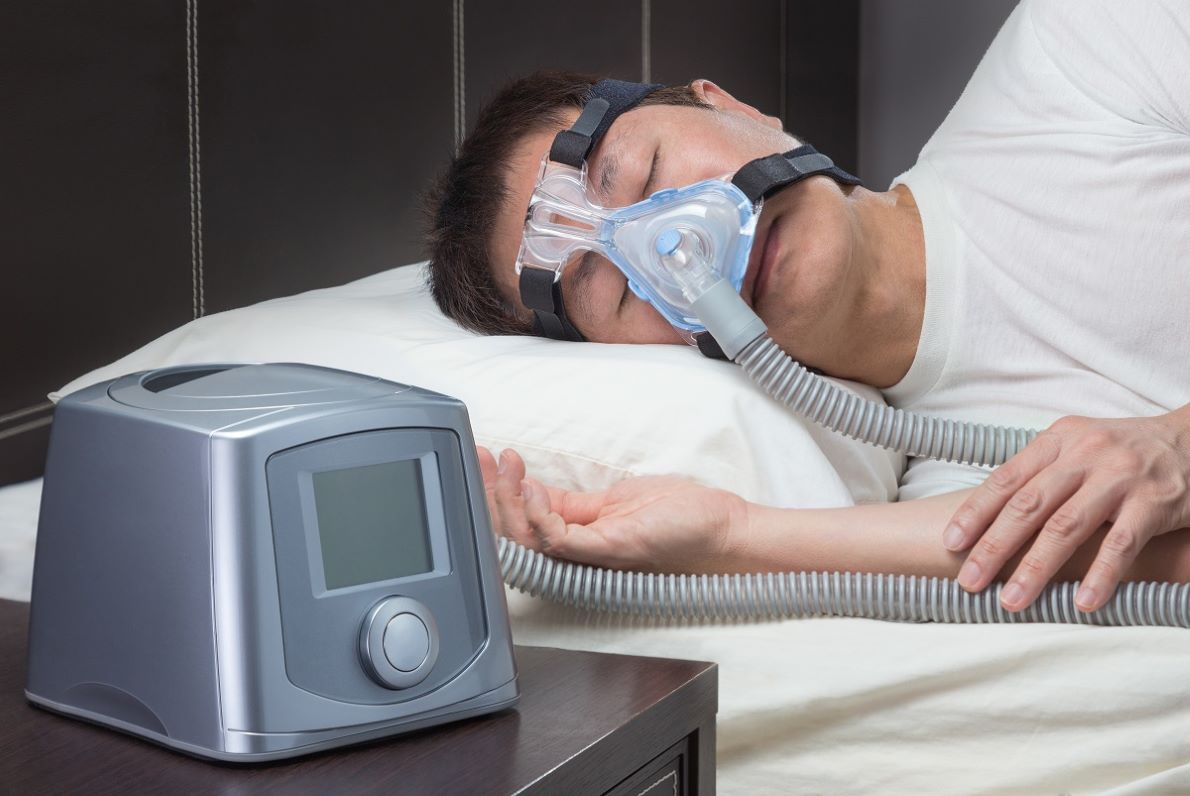
- CPAP therapy OSA treatment remains the gold standard, delivering continuous air pressure to keep airways open during sleep
- Equipment includes a mask, tubing, and machine that you’ll use nightly
- Most Perth providers offer CPAP setup, training, and ongoing support
For mild cases, lifestyle changes for mild OSA include:
- Weight loss of 5-10% can significantly reduce symptoms
- Reducing alcohol consumption, especially before bedtime
- Sleeping on your side rather than your back
- Avoiding sedatives and heavy meals close to sleep time
Your sleep physician will discuss which approach suits your specific situation. Many patients combine CPAP therapy with lifestyle modifications for optimal results. Regular follow-ups ensure your treatment remains effective as your condition evolves.
Related : Home Sleep Study Sydney: What Happens During an At-Home Test